About Media Studies

The Department of Media Studies focuses on the creative production and critical consumption of a range of moving-image media.
The faculty is composed of award-winning artists, scholars, and practitioners who employ a broad range of instructional methodologies.

The Department is housed in the Brown Building and in the Carmichael Radio and Television Center. Originally constructed to serve the University of North Carolina public broadcasting system, The Carmichael Center now holds the Department’s soundstage, screening room, production classrooms, editing lab, audio recording studio, and location production equipment inventory.

The Department enhances the curriculum with opportunities to learn outside of the traditional classroom setting and participate in variety of media productions. These include the Department’s internship program and its client-based production clinic.

Visual media are prevalent in contemporary society, creating significant demand for professionals skilled in media communication tools. Graduates of the Media Studies program demonstrate success across various fields, including film and media production, technology, business, marketing, academia, and the arts. Their ability to interpret and optimize media communications enables them to engage effectively with evolving media environments and new technologies.

The Impact of Technology on Media Jobs

Technological advancements such as virtual reality and artificial intelligence have significantly transformed the media industry. Media Studies graduates who acquire skills in these areas possess a competitive advantage in the job market.

Virtual reality supports immersive storytelling. Artificial intelligence enables personalized media experiences and automates content production. Employers increasingly seek graduates with expertise in these advanced technologies.

In addition to emerging technologies, the expansion of streaming services has heightened demand for graduates capable of managing digital distribution and optimizing content for multiple platforms within a competitive media landscape.

Social media and streaming platforms have transformed traditional media industries. This shift has generated new roles for social media managers, digital strategists, esports broadcasters, and content creators.

The expansion of podcasting provides additional opportunities. Media Studies graduates can pursue roles as podcast hosts, producers, or editors. The increased consumption of audio content has led to a greater demand for professionals skilled in storytelling and facilitating engaging discussions within the podcasting sector.

In summary, Media Studies graduates have access to diverse international career opportunities. Expertise in journalism, public relations, digital media, or film production distinguishes these professionals. Advancement in the evolving media sector requires ongoing skill development, awareness of industry trends, and effective professional networking.

Behind the Scenes

Student Learning Outcomes

SLO 1: analyze media texts in terms of their aesthetic and socio-cultural properties and/ or contexts

SLO 2: produce media that demonstrates technical competency

TECHNICAL COMPETENCY RUBRIC
Lighting (if applicable)
Image Quality (if applicable)
Sound (if applicable)
Editing (if applicable)

SLO 3: produce media that demonstrates EITHER artistic or journalistic competency

ARTISTIC COMPETENCY RUBRIC
Integration of form and content
Originality, creativity, inventiveness
Overall structure (including dialogue, theme, narrative arc, story character development, as appropriate)
JOURNALISTIC COMPENTECY RUBRIC
Writing/ wording of piece is clear (CLARITY)
Information provided is accurate (INFORMATION)
Sources are appropriate and/or adequate (SOURCES)
The piece is organized appropriate to its purpose (STRUCTURE)

SLO 4: apply primary theories, themes, and information relevant to the creation, consumption, and regulation of media (alt. describe and explain theories/ themes/ information)

INFORMATIONAL COMPETENCY RUBRIC
Recognizes relevant concepts, theories, issues
Correctly explains concepts, theories, rules, and facts
Correctly applies or uses concepts, theories, rules

Sample Syllabi

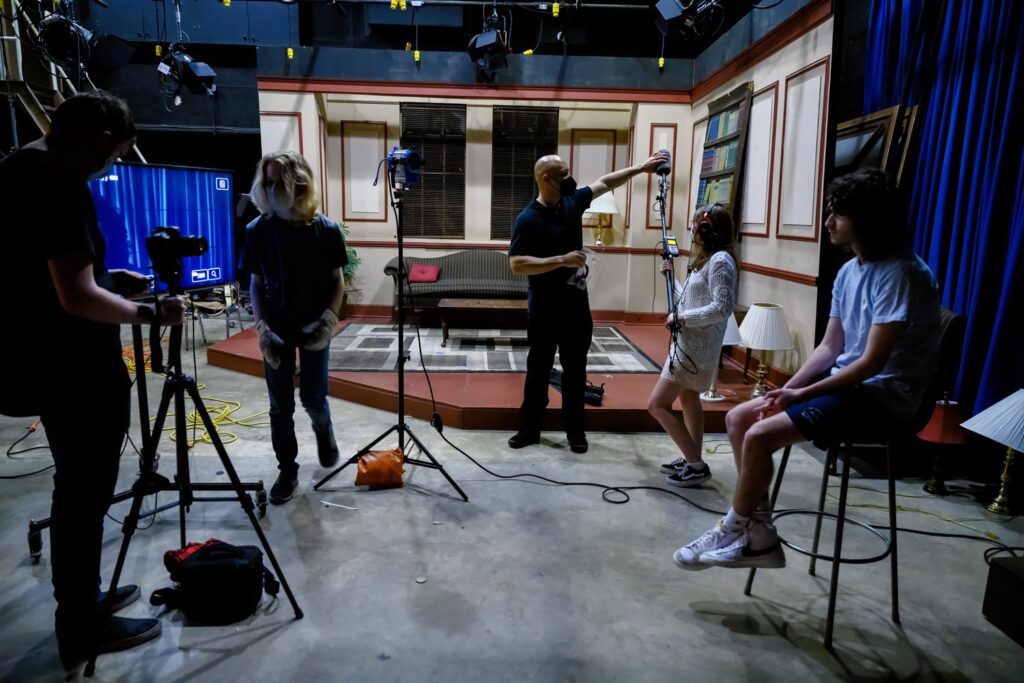
Students learn lighting and interview techniques
Students learn lighting and interview techniques in Hassan Pitts’s MST 271 Intro to Media Production.

Alumni Stories

April 23, 2024

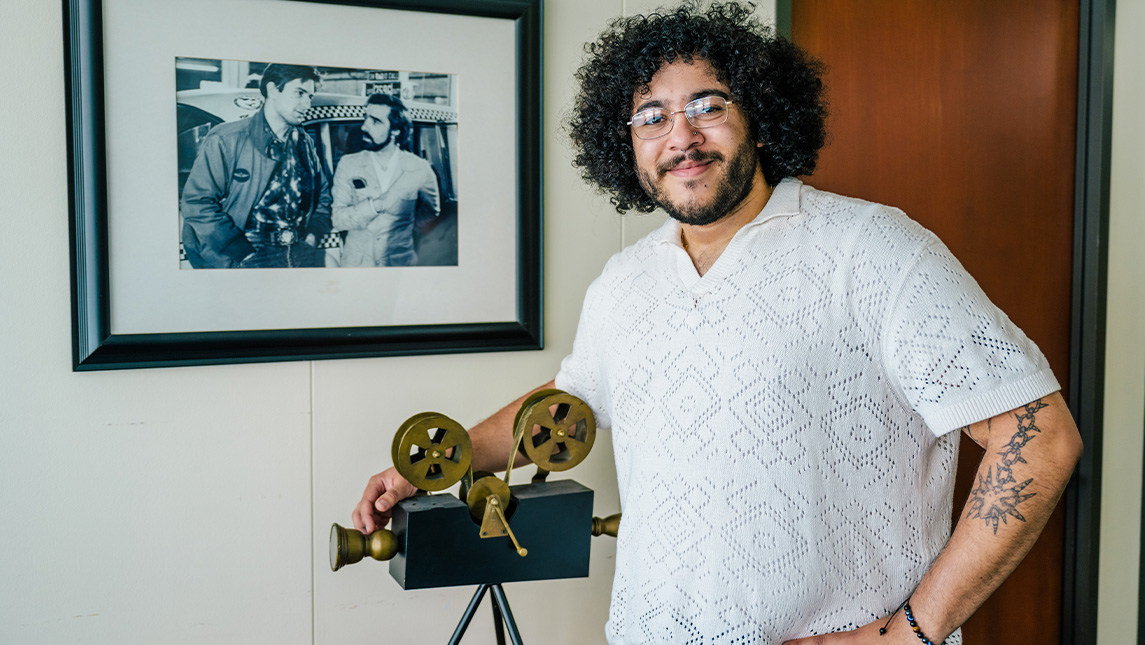
Class of 2024: Luis Roman Finds His Script in UNCG’s Media Studies

“UNCG has made a big impact on me, especially how they dedicate themselves to being a community-driven University,” says Roman, …
February 13, 2024

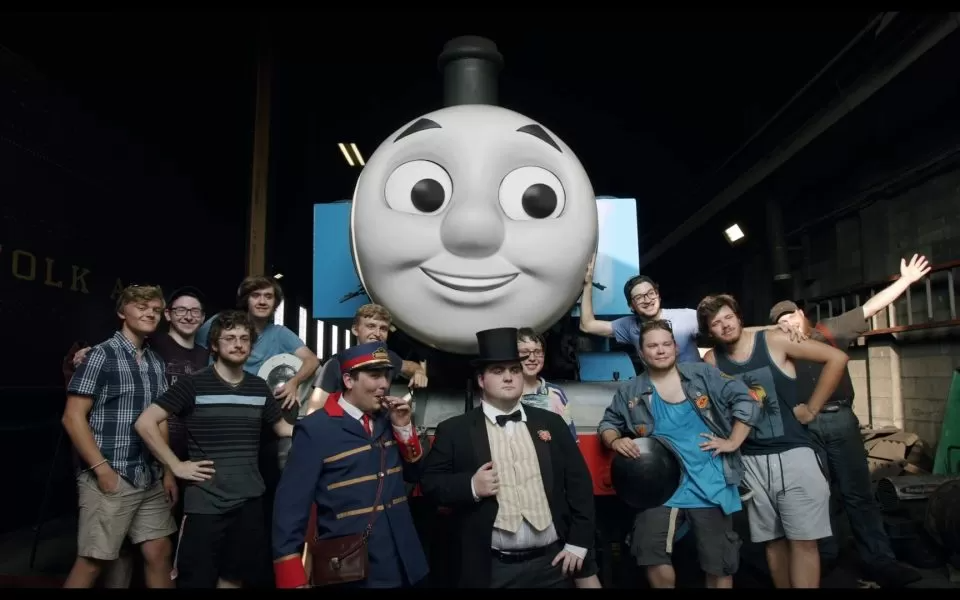
An Unlikely Fandom: UNCG alum’s documentary delves into the niche, but deep, Thomas the Tank Engine fandom

From Triad City Beat, January 11, 2024: When Brannon Carty was 4 years old, his parents threw him a Thomas the Tank Engine-themed bi…
November 3, 2023

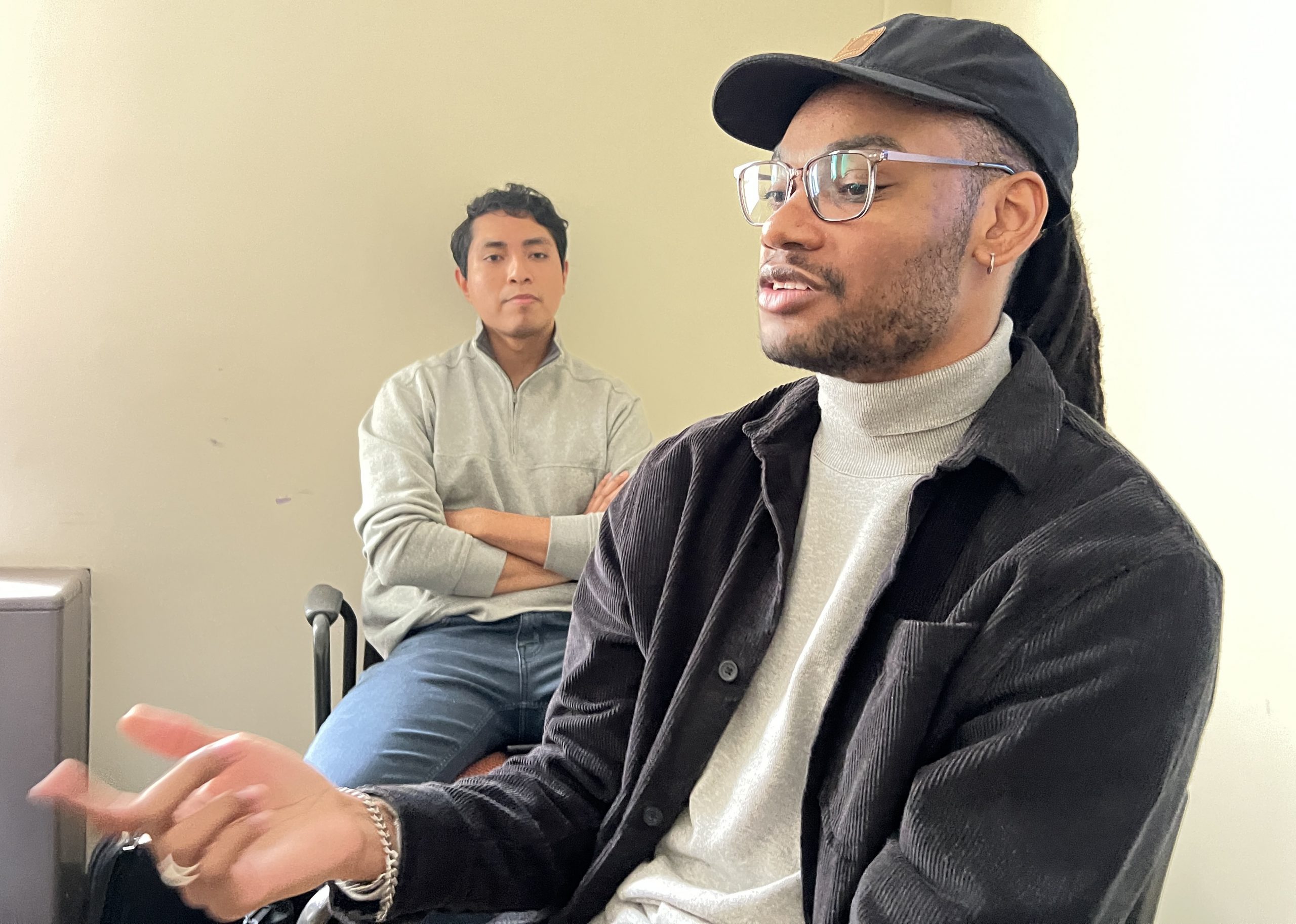
MST alumni return to share lessons with students

UNCG Media Studies alumni Kevin Padilla ’19 and Muhammad Karim ’19 visited the MST 483: Branded Content class recently t…

Ready to…

Share This